Category: News

The Cell, The Basic Unit of Life

The cell is the fundamental unit of life, the smallest structure capable of performing all functions necessary for life. All organisms consist of cells, whether single-celled bacteria or trillions of cells forming human body. Understanding cell structure and function is essential for comprehending biology, medicine, and life itself.

The Cell: The Basic Unit of Life

cell

Cell theory emerged in 19th century from observations by Schleiden, Schwann, and Virchow. Three principles define it: all living things are composed of cells; the cell is the basic unit of life; all cells arise from pre-existing cells. This theory, like atomic theory in chemistry, provides foundation for all biological science.

Two main cell types exist. Prokaryotic cells, found in bacteria and archaea, are simpler and smaller, lacking nucleus and membrane-bound organelles. Their DNA floats freely in cytoplasm. Eukaryotic cells, found in plants, animals, fungi, and protists, are larger and more complex, with nucleus containing DNA and numerous specialized organelles.

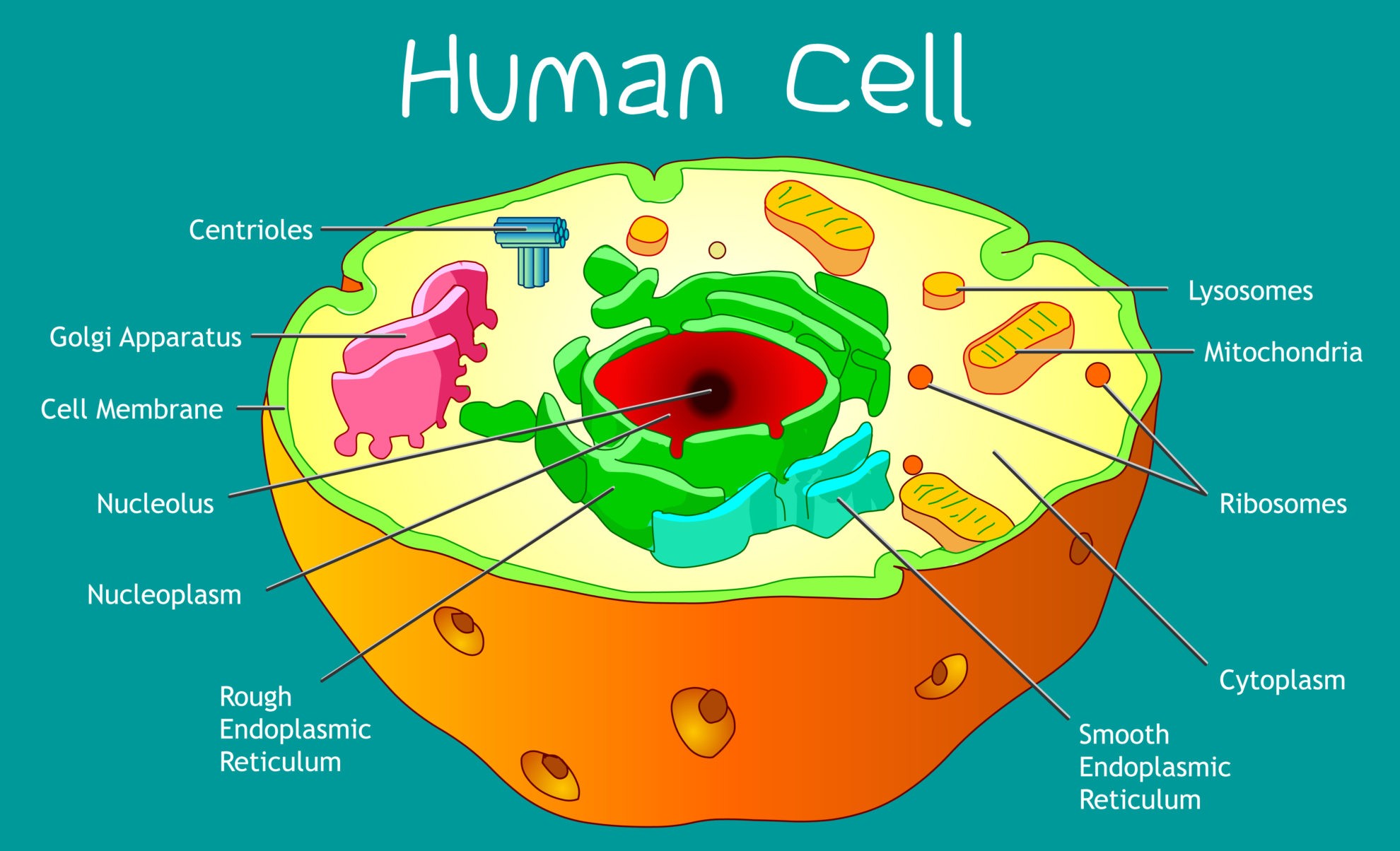
The plasma membrane encloses every cell. This phospholipid bilayer forms selective barrier, controlling what enters and exits. Proteins embedded in membrane transport molecules, receive signals, and attach to other cells. Membrane’s fluid structure allows flexibility while maintaining integrity. Without functional membrane, cell cannot survive.

Nucleus contains genetic material. Surrounded by double membrane with nuclear pores regulating traffic, nucleus houses DNA organized into chromosomes. Nucleolus within assembles ribosomes. DNA transcription into RNA occurs here; RNA then travels to cytoplasm for protein production. Nucleus is cell’s command center.

Cytoplasm fills cell interior. This gel-like substance, mostly water, contains dissolved nutrients, ions, and enzymes. Organelles suspended in cytoplasm carry out specific functions. Cytoskeleton, protein filaments providing structure and enabling movement, runs through cytoplasm. Cytoplasmic streaming circulates materials.

Mitochondria produce energy. These double-membraned organelles generate ATP through cellular respiration, converting glucose and oxygen into usable energy. Mitochondria have their own DNA and reproduce independently within cells, evidence of evolutionary origin as free-living bacteria engulfed by ancient cells. They are cell’s power plants.

Ribosomes synthesize proteins. Composed of RNA and protein, these tiny structures read messenger RNA and assemble amino acids into proteins according to genetic instructions. Ribosomes float free in cytoplasm or attach to endoplasmic reticulum. Protein synthesis is cell’s fundamental task.

Endoplasmic reticulum processes proteins and lipids. Rough ER, studded with ribosomes, modifies and folds newly synthesized proteins. Smooth ER synthesizes lipids and detoxifies harmful substances. ER packages materials into vesicles for transport to Golgi apparatus.

Golgi apparatus modifies, sorts, and ships cellular products. Proteins arrive from ER, undergo further modification, and are packaged into vesicles for delivery to various destinations—outside cell, to membrane, or to other organelles. Golgi is cell’s post office.

Lysosomes digest waste. These membrane-bound sacs contain powerful digestive enzymes breaking down worn-out organelles, engulfed bacteria, and cellular debris. Lysosomes recycle cellular components and defend against invaders. Their acidic interior activates enzymes while protecting rest of cell.

Plant cells have additional structures. Cell wall outside plasma membrane provides structural support. Chloroplasts conduct photosynthesis, converting sunlight to chemical energy. Large central vacuole stores water and maintains pressure. These specializations enable plant lifestyle.

Cell division propagates life. Mitosis produces identical daughter cells for growth and repair. Meiosis produces gametes with half genetic material for sexual reproduction. Both processes involve precise DNA replication and distribution, ensuring genetic continuity.

Cells communicate constantly. Signaling molecules bind receptors, triggering internal responses. Cells recognize neighbors, respond to hormones, and coordinate activities. This communication enables multicellular organisms to function as integrated wholes rather than random cell collections.

Cell biology illuminates health and disease. Cancer involves uncontrolled cell division. Infections involve pathogens exploiting cellular machinery. Genetic disorders trace to cellular malfunctions. Treatments target cellular processes. Understanding cells means understanding life’s fundamental unit.

Understanding Climate Change

Climate change is the defining environmental challenge of our era, yet confusion persists about basic facts. The science is clear: Earth is warming, human activity is primary cause, and consequences are already unfolding. Understanding this issue requires grasping both physical science and human dimensions.

Understanding Climate Change

Climate Change


The greenhouse effect is natural and necessary. Certain gases—carbon dioxide, methane, water vapor—trap heat in atmosphere, keeping Earth about 33°C warmer than it would be otherwise. Without this effect, life as we know it would not exist. Problem began when human activity started adding extra greenhouse gases, strengthening the effect beyond natural levels.

Carbon dioxide is primary concern. Since Industrial Revolution, burning fossil fuels (coal, oil, natural gas) has released enormous CO₂ previously locked underground. Deforestation eliminates trees that would otherwise absorb CO₂. Atmospheric CO₂ has increased from about 280 parts per million pre-industrially to over 420 ppm today, highest in at least 800,000 years.

Methane is more potent but shorter-lived. Released from agriculture (especially livestock), landfills, and fossil fuel extraction, methane traps about 80 times more heat than CO₂ over 20-year period. Reducing methane emissions offers relatively quick climate benefit because it degrades faster.

Temperature increase is accelerating. Earth has warmed about 1.2°C since pre-industrial times, with most warming occurring in last 50 years. The Paris Agreement aims to limit warming to well below 2°C, ideally 1.5°C. Beyond this threshold, scientists warn of tipping points—irreversible changes like ice sheet collapse or Amazon dieback that accelerate warming further.

Evidence extends beyond temperature. Sea levels have risen about 8-9 inches since 1880, accelerating due to melting glaciers and thermal expansion (water expands as it warms). Arctic sea ice is declining rapidly. Glaciers worldwide are retreating. Growing seasons have shifted. Species are migrating toward poles and higher elevations. Extreme events—heatwaves, heavy rainfall, droughts—are becoming more frequent and intense.

Climate models have proven remarkably accurate. Using physics-based equations, they simulate climate system and project future scenarios under different emission pathways. Models predicted warming that subsequently occurred, building confidence in their projections. Uncertainties remain about exact timing and regional details, but overall direction is clear.

Human health consequences are numerous. Heat waves kill directly. Disease vectors expand into previously cooler areas. Air pollution from fossil fuels causes millions of deaths annually. Food and water security threaten. Mental health impacts from extreme events and existential anxiety are increasingly recognized. Climate change is health emergency.

Economic impacts are substantial. Damage to property from extreme events. Agricultural disruption. Productivity losses from heat. Supply chain interruptions. Migration and conflict. The Stern Review famously concluded that climate change is “greatest and widest-ranging market failure ever seen,” with costs far exceeding those of prevention.

Mitigation means reducing emissions. Transitioning to renewable energy (solar, wind, hydro, geothermal). Improving energy efficiency. Electrifying transportation. Reducing deforestation and restoring ecosystems. Developing carbon capture technologies. These actions require transforming global energy system, historically unprecedented but technically feasible.

Adaptation means preparing for unavoidable changes. Sea walls protect coastal cities. Drought-resistant crops maintain food production. Cooling centers protect during heatwaves. Improved building codes withstand extreme weather. Both mitigation and adaptation are necessary; they are complements, not alternatives.

International cooperation is essential because climate is global commons. Emissions anywhere affect everyone. The United Nations Framework Convention on Climate Change facilitates global negotiations. The Paris Agreement, signed by nearly every country, establishes framework for voluntary national contributions. Implementation remains insufficient.

Individual actions matter but are insufficient alone. Reducing personal carbon footprint—flying less, eating less meat, improving home efficiency—is valuable but cannot solve problem without systemic change. Collective action through policy, innovation, and cultural shift is required. Understanding climate change means recognizing both urgency and agency.

Exercise as Medicine

If a pill could replicate the benefits of physical activity, it would be the most prescribed medication in history. Exercise reduces risk for virtually every chronic disease, improves mental health, preserves cognitive function, extends lifespan, and enhances quality of life. Yet most adults do not get enough. Understanding exercise as medicine means recognizing it as essential treatment, not optional lifestyle choice.

Exercise as Medicine

exercise

Cardiovascular benefits are compelling. Regular aerobic exercise strengthens the heart muscle, improves circulation, lowers blood pressure, and raises HDL (good) cholesterol. It reduces risk of heart attack, stroke, and heart failure. The heart is a muscle, and like all muscles, it requires regular work to maintain function. Sedentary living allows it to weaken.

Metabolic effects are profound. Exercise increases insulin sensitivity, helping cells clear glucose from blood more effectively. This is why physical activity is first-line treatment for prediabetes and type 2 diabetes. Muscle contractions during exercise also draw glucose into cells independently of insulin, providing an alternative pathway for blood sugar control.

Weight management depends on activity. While diet is primary for weight loss, exercise is essential for weight maintenance. It preserves muscle mass during calorie restriction, preventing the metabolic slowdown that often accompanies dieting. After weight loss, regular activity is the strongest predictor of keeping weight off.

Muscle and bone health require resistance training. Lifting weights, using resistance bands, or performing bodyweight exercises builds and maintains muscle mass, which naturally declines with age. Strong muscles support joints, improve balance, and prevent falls. Weight-bearing exercise also builds bone density, protecting against osteoporosis and fractures.

Mental health benefits rival those of antidepressants. Exercise releases endorphins, endocannabinoids, and neurotransmitters that elevate mood. It reduces symptoms of anxiety and depression, improves sleep, and provides healthy coping mechanism for stress. For mild to moderate depression, exercise can be as effective as medication or therapy.

Cognitive protection is increasingly recognized. Exercise increases blood flow to the brain, stimulates release of growth factors that support neuron health, and promotes neuroplasticity. Regular physical activity is associated with lower risk of dementia and slower cognitive decline with aging. The brain benefits as much as the body.

The optimal dose is well-established. Guidelines recommend at least 150 minutes of moderate aerobic activity or 75 minutes of vigorous activity weekly, plus two strength-training sessions. Moderate activity means you can talk but not sing; vigorous means you cannot say more than few words without pausing for breath.

More is generally better up to point, but the biggest gains come from moving from nothing to something. The sedentary person who begins walking 20 minutes daily reduces mortality risk by nearly 30 percent. The benefits of moving from moderate to high activity are smaller. For most, the goal is simply to stop being sedentary.

Strength training deserves equal attention. Many focus exclusively on cardio, missing the benefits of resistance work. Bodyweight exercises (push-ups, squats, lunges) require no equipment. Bands, dumbbells, and gym machines add variety. Two sessions weekly, targeting major muscle groups, provide substantial benefit.

Variety prevents boredom and addresses different fitness components. Aerobic training builds endurance. Strength training builds muscle and bone. Flexibility work maintains range of motion. Balance training prevents falls, especially important with age. A well-rounded program includes all elements.

Consistency trumps intensity. A moderate workout performed regularly beats an intense workout performed sporadically. Exercise is not something to cram but something to integrate into life. Daily movement—walking, stretching, brief activity sessions—accumulates into significant benefit.

Starting is the hardest part. For sedentary individuals, beginning any activity is victory. Walking is perfect starting point: accessible, free, low injury risk. Gradually increasing duration and intensity builds fitness safely. The body adapts remarkably quickly when challenged consistently.

Exercise as medicine requires prescription and adherence. Like medication, it works only when taken. Unlike medication, it has no negative side effects when done appropriately. Moving more and sitting less is the closest thing to fountain of youth we have.

True Wireless Earbuds, Freedom From the Cord

True wireless earbuds have accomplished something remarkable: they made us willingly give up the headphone jack. Apple’s AirPods, launched in 2016 to widespread ridicule, have become one of the most successful products in history, spawning countless imitators and creating an entirely new gadget category. The tiny computers we insert in our ears represent a triumph of miniaturization, battery engineering, and user experience design.

True Wireless Earbuds: Freedom From the Cord

Earbuds

The core innovation enabling true wireless earbuds is the Bluetooth chip. Apple’s custom H1 chip (and similar chips from Qualcomm, MediaTek, and others) manages wireless connectivity, audio processing, and power efficiency in a tiny package. Each earbud is an independent computer, communicating with the paired device and with each other, synchronizing audio so both ears hear the same thing without noticeable lag.

The charging case is equally ingenious. It solves two problems simultaneously: protecting the earbuds when not in use and providing multiple additional charges. The case itself charges via Lightning, USB-C, or wireless Qi, and top-up charging means the earbuds are almost always ready when needed. The satisfying magnetic click as earbuds seat into place has become a tactile signature of the category.

Battery life has steadily improved. Early models offered around two hours of listening time; current flagships deliver five to eight hours per charge, with cases providing twenty to thirty additional hours. Fast charging provides an hour of listening from just five to ten minutes of charging. For most users, battery anxiety has been largely eliminated.

Sound quality has evolved from merely acceptable to genuinely impressive. Advanced drivers, custom amplifiers, and sophisticated digital signal processing deliver rich, detailed audio. Adaptive EQ adjusts frequency response based on fit and ear shape. Features like spatial audio with dynamic head tracking create immersive listening experiences previously possible only with multi-speaker systems.

Active noise cancellation (ANC) transformed the category. By using external microphones to sample ambient sound and generating inverse waves to cancel it, ANC earbuds create a private listening bubble. The effect is magical: airplane roar, office chatter, city noise simply disappears. Transparency modes reverse this, piping in outside sound when needed for safety or conversation.

The microphone array enables surprisingly good call quality. Beamforming microphones focus on the speaker’s voice while rejecting background noise. Wind reduction algorithms further improve clarity. For many, earbuds have replaced phone handsets entirely, handling all voice calls with convenience.

Integration with voice assistants—Siri, Google Assistant, Alexa—adds hands-free control. A simple “Hey Siri” can initiate calls, set reminders, check weather, or control music without touching the phone. This convenience reinforces the ecosystem lock-in that makes the category so strategic for tech giants.

Fit remains subjective. The one-size-fits-all approach of early models has given way to multiple ear tip options and even custom-fit solutions. But anatomy varies enormously, and some users simply cannot find comfortable, secure-fitting earbuds. This remains an inherent limitation of the form factor.

Health and safety considerations are emerging. Long-term, high-volume listening can damage hearing. Some users report discomfort or ear infections from prolonged wear. Awareness features that monitor listening habits and warn about excessive volume are becoming standard.

Environmental impact is concerning. Earbuds contain batteries, circuit boards, and rare materials, yet their small size makes recycling difficult. They are essentially disposable electronics with limited lifespans. The category’s rapid growth means millions of tiny devices will eventually need responsible disposal.

True wireless earbuds represent a category-defining gadget: small enough to forget you’re wearing them, capable enough to handle most listening needs, and convenient enough to become habitual. They have changed how we experience audio, creating private soundscapes in public spaces and making music, podcasts, and calls constantly available. The cord is gone, and we’re not going back.

The Internet of Things, When Everything Connects

The Internet of Things (IoT) envisions a world where everyday objects become intelligent, connected participants in a vast digital ecosystem. Not just phones and computers, but thermostats, lightbulbs, refrigerators, watches, cars, pacemakers, factory equipment, agricultural sensors, and city infrastructure all communicate, coordinate, and adapt. It is the digitization of the physical world, and it is accelerating exponentially.

The Internet of Things: When Everything Connects

the internet

The numbers are staggering. Estimates suggest tens of billions of connected devices already exist, with projections reaching into the hundreds of billions within a decade. Every connected device generates data, creating an unprecedented flood of information about how we live, work, move, and consume. This data becomes the raw material for insights, optimizations, and automations that were previously impossible.

In the home, IoT enables the smart home vision. Your thermostat learns your schedule and preferences, adjusting temperature for comfort and efficiency. Your refrigerator tracks inventory and suggests recipes or adds items to your shopping list. Lights respond to presence, security cameras alert you to activity, and voice assistants orchestrate it all through simple commands. Convenience deepens, energy waste declines, and the home becomes responsive rather than static.

In industry, IoT drives the fourth industrial revolution, or Industry 4.0. Sensors on factory equipment predict maintenance needs before breakdowns occur, minimizing downtime. Supply chains become visible in real-time, from raw material extraction to final delivery. Agricultural sensors monitor soil moisture and nutrient levels, enabling precision irrigation and fertilization that conserves resources while boosting yields. The efficiency gains are transformative.

In cities, IoT enables smart urban management. Traffic lights optimize flow based on real-time conditions, reducing congestion and emissions. Parking sensors guide drivers to available spots, cutting circling traffic. Waste management systems alert collectors when bins are full, optimizing routes. Air quality monitors provide granular data for public health interventions. The city becomes a responsive organism rather than a collection of disconnected systems.

Yet this connectivity introduces profound vulnerabilities. Security is paramount: every connected device is a potential entry point for malicious actors. The 2016 Mirai botnet attack demonstrated the danger, hijacking hundreds of thousands of insecure IoT devices to overwhelm major internet platforms. Medical devices, vehicles, and infrastructure systems connected to networks create life-or-death security imperatives.

Privacy concerns are equally acute. IoT devices generate intimate data about our lives: when we sleep, what we eat, our health metrics, our movements. Who owns this data? How is it protected? Can it be subpoenaed? Sold? The legal framework lags far behind technological capability, leaving consumers exposed.

Standards fragmentation poses another challenge. Competing protocols, platforms, and ecosystems create interoperability headaches. A smart home may require multiple apps, multiple accounts, multiple hubs. The promise of seamless integration remains partially unfulfilled.

The Internet of Things represents one of the most significant technological shifts of our era. It weaves digital intelligence into the fabric of physical reality, creating a world that sees, hears, and responds. Managing this transition responsibly, with security, privacy, and interoperability as foundational principles, will determine whether this connected world serves human flourishing or undermines it.