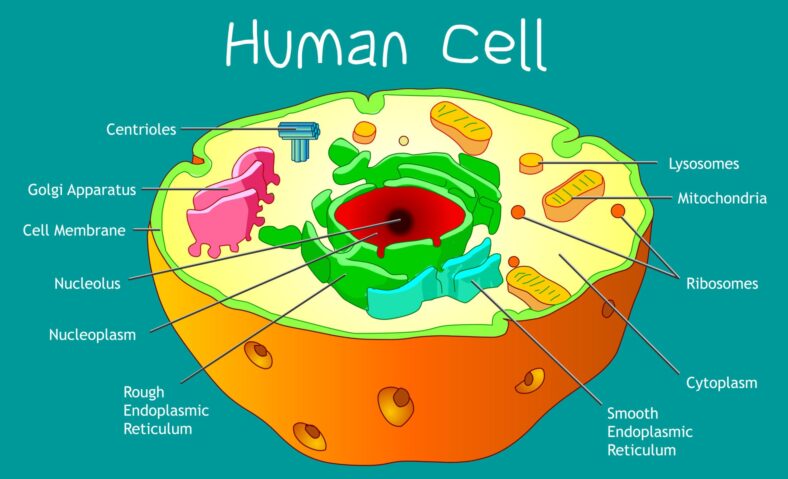
The cell is the fundamental unit of life, the smallest structure capable of performing all functions necessary for life. All organisms consist of cells, whether single-celled bacteria or trillions of cells forming human body. Understanding cell structure and function is essential for comprehending biology, medicine, and life itself.
The Cell: The Basic Unit of Life
Cell theory emerged in 19th century from observations by Schleiden, Schwann, and Virchow. Three principles define it: all living things are composed of cells; the cell is the basic unit of life; all cells arise from pre-existing cells. This theory, like atomic theory in chemistry, provides foundation for all biological science.
Two main cell types exist. Prokaryotic cells, found in bacteria and archaea, are simpler and smaller, lacking nucleus and membrane-bound organelles. Their DNA floats freely in cytoplasm. Eukaryotic cells, found in plants, animals, fungi, and protists, are larger and more complex, with nucleus containing DNA and numerous specialized organelles.
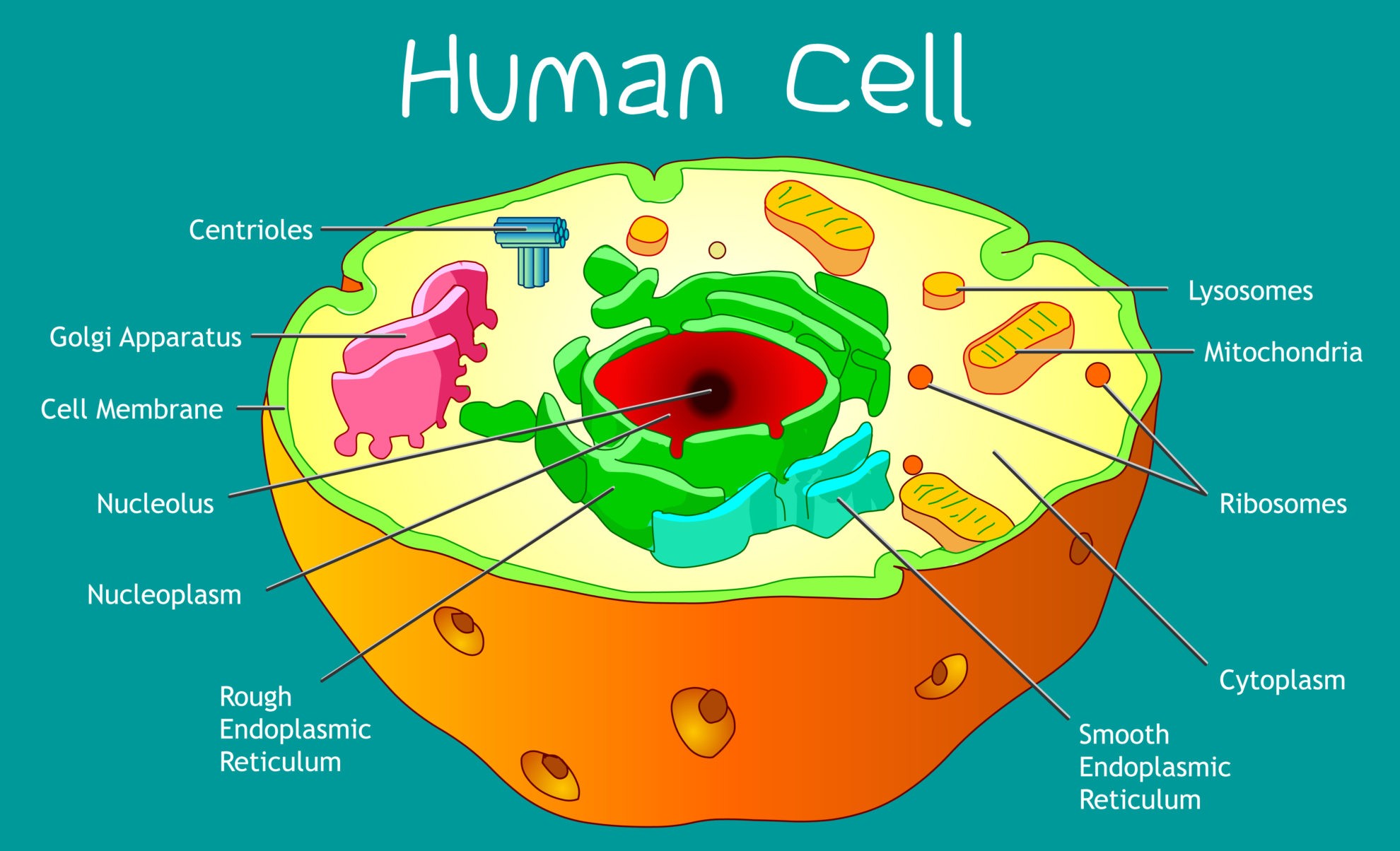
The plasma membrane encloses every cell. This phospholipid bilayer forms selective barrier, controlling what enters and exits. Proteins embedded in membrane transport molecules, receive signals, and attach to other cells. Membrane’s fluid structure allows flexibility while maintaining integrity. Without functional membrane, cell cannot survive.
Nucleus contains genetic material. Surrounded by double membrane with nuclear pores regulating traffic, nucleus houses DNA organized into chromosomes. Nucleolus within assembles ribosomes. DNA transcription into RNA occurs here; RNA then travels to cytoplasm for protein production. Nucleus is cell’s command center.
Cytoplasm fills cell interior. This gel-like substance, mostly water, contains dissolved nutrients, ions, and enzymes. Organelles suspended in cytoplasm carry out specific functions. Cytoskeleton, protein filaments providing structure and enabling movement, runs through cytoplasm. Cytoplasmic streaming circulates materials.
Mitochondria produce energy. These double-membraned organelles generate ATP through cellular respiration, converting glucose and oxygen into usable energy. Mitochondria have their own DNA and reproduce independently within cells, evidence of evolutionary origin as free-living bacteria engulfed by ancient cells. They are cell’s power plants.
Ribosomes synthesize proteins. Composed of RNA and protein, these tiny structures read messenger RNA and assemble amino acids into proteins according to genetic instructions. Ribosomes float free in cytoplasm or attach to endoplasmic reticulum. Protein synthesis is cell’s fundamental task.
Endoplasmic reticulum processes proteins and lipids. Rough ER, studded with ribosomes, modifies and folds newly synthesized proteins. Smooth ER synthesizes lipids and detoxifies harmful substances. ER packages materials into vesicles for transport to Golgi apparatus.
Golgi apparatus modifies, sorts, and ships cellular products. Proteins arrive from ER, undergo further modification, and are packaged into vesicles for delivery to various destinations—outside cell, to membrane, or to other organelles. Golgi is cell’s post office.
Lysosomes digest waste. These membrane-bound sacs contain powerful digestive enzymes breaking down worn-out organelles, engulfed bacteria, and cellular debris. Lysosomes recycle cellular components and defend against invaders. Their acidic interior activates enzymes while protecting rest of cell.
Plant cells have additional structures. Cell wall outside plasma membrane provides structural support. Chloroplasts conduct photosynthesis, converting sunlight to chemical energy. Large central vacuole stores water and maintains pressure. These specializations enable plant lifestyle.
Cell division propagates life. Mitosis produces identical daughter cells for growth and repair. Meiosis produces gametes with half genetic material for sexual reproduction. Both processes involve precise DNA replication and distribution, ensuring genetic continuity.
Cells communicate constantly. Signaling molecules bind receptors, triggering internal responses. Cells recognize neighbors, respond to hormones, and coordinate activities. This communication enables multicellular organisms to function as integrated wholes rather than random cell collections.
Cell biology illuminates health and disease. Cancer involves uncontrolled cell division. Infections involve pathogens exploiting cellular machinery. Genetic disorders trace to cellular malfunctions. Treatments target cellular processes. Understanding cells means understanding life’s fundamental unit.